

Mooie luchten- Duinen- Broeckgouw en andere luchtfoto’s v Volendam

Sinterklaasfeest bij de Tuijpjes en we zijn: ” Ready for Departure”

In de Weinstube onder onze woning vierden we op de valreep met onze uitgebreide familie “clan” nog pakjes avond. Dit feestelijke gebeuren voor de kleinkinderen willen we ondanks al onze reizen voor geen goud missen. Net als het aansluitende traditioneel gezamenlijke etentje; maar all is done; alles staat nu op de rit, de koffers staan gepakt, we hebben van iedereen afscheid genomen, en zijn er klaar voor.

Om in vliegtermen te spreken, – wanneer je na het taxiën en de run up klaar bent om de startbaan op te gaan, en je aan de verkeerstoren meldt: ” Ready for Departure”

Op naar Johannesburg waar we met BZN zo vaak zijn geland op Jan Smuts Airport. Deze eerste rechtstreekse vlucht duurt 12 uur, we overnachten daar in het Airport hotel. De volgende dag vliegen we dan samen met vrienden Wim en Ria Welman – die via Dubai vliegen – van Johannesburg naar Windhoek in Namibie. Daar halen we ieder onze eigen auto op om aan de reis te beginnen.

Hopelijk kunnen we jullie de komende tijd van onze Afrikaanse reisavonturen deelgenoot maken d.m.v een reisverslag met foto’s.
MV1A0266

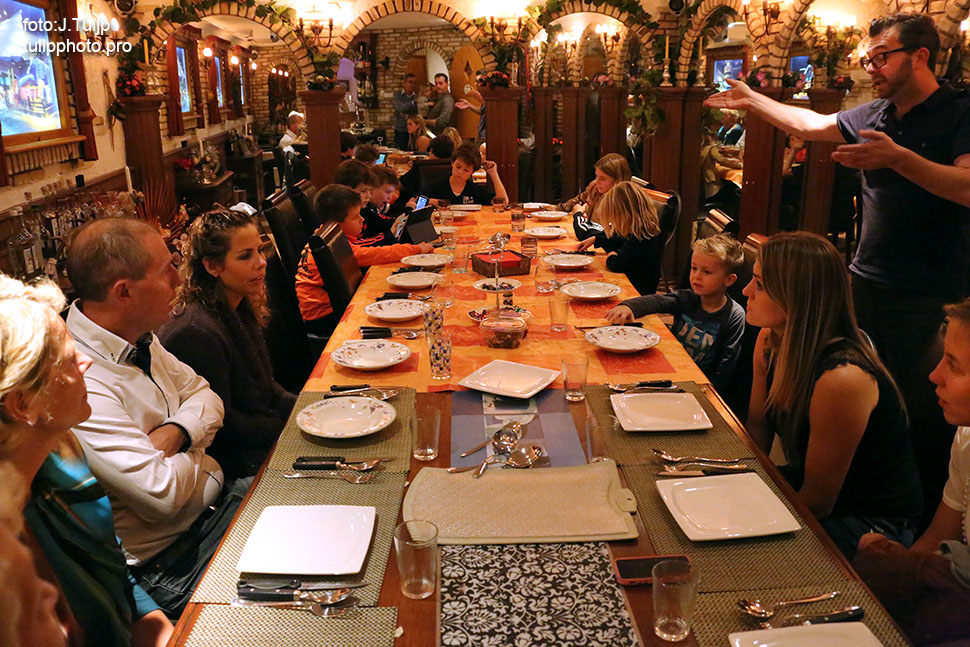
Net na het uitpakken van alle kado’s zitten we een van de afgelopen dagen in onze Weinstube aan voor een gezamenlijk etentje met onze kinderen en kleinkinderen; het Sinterklaas feest met onze kleinkinderen willen we niet graag missen.
MV1A0265

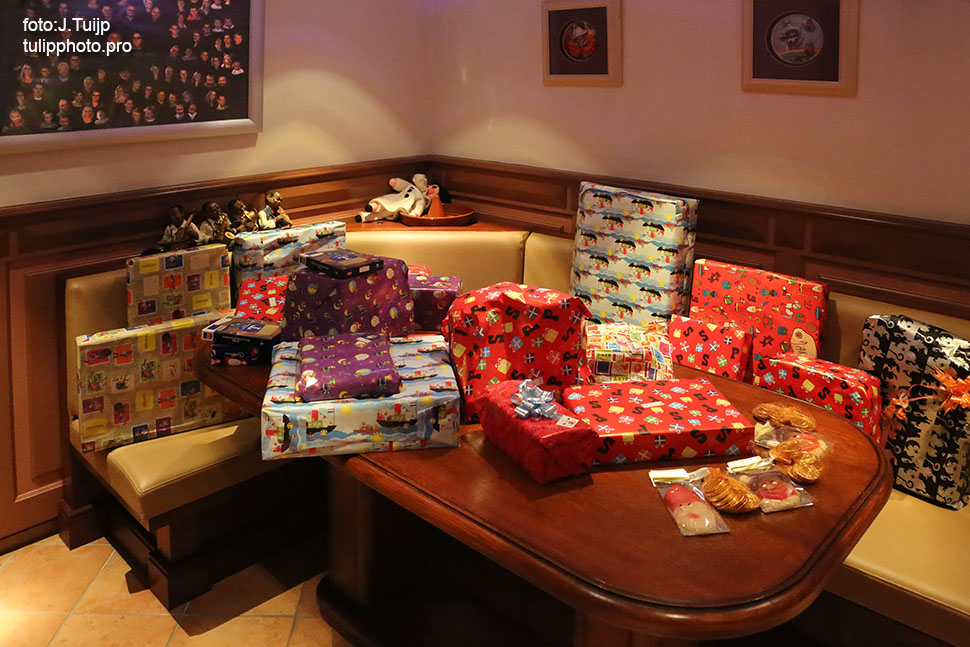
De pakjes die in de kinderkamer van onze Weinstube nog onaangeraakt liggen, zullen een paar seconden na het maken van deze foto een voor een door onze kleine nazaten worden weggehaald en waar iedereen bij is , worden uitgepakt. Dit gaat er elk jaar met het ouder worden van de kleinkinderen wat rustiger aan toe.


Met ex collega Cees Tol en zijn vrouw Tiny de lucht in
MV1A0284

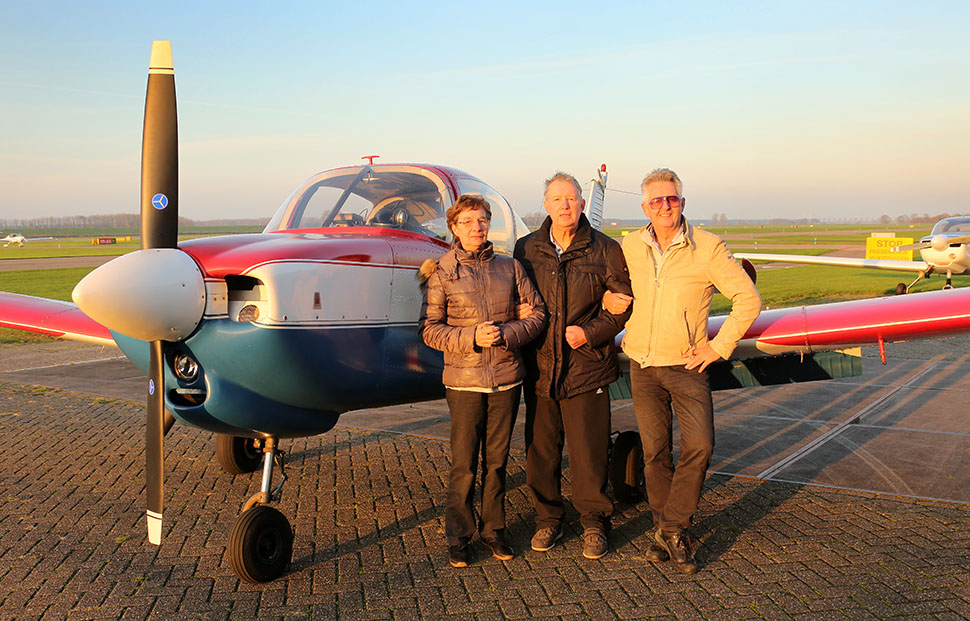
Gisteren stapte ik samen met Cees Tol en zijn vrouw Tiny de PH- BZN in voor een vlucht over een zonovergoten Noordholland. Het was een mooie vlucht en we hadden het bar gezellig samen. Hier poseren we na de vlucht in the afterglow van de bijna ondergaande zon. Samen met Cees Tol en Evert Woestenburg richtte ik in 1965 BZN op. Net na de vlucht kreeg ik een mail van een medewerker van de Stichting Top 40 met deze daarin ook voor Cees en Evert leuke quote: “Zoals u zich misschien nog kunt herinneren, is de Nederlandse Top 40 begonnen bij radio Veronica in 1965. Nu is het zo dat BZN de allermeeste top-40 hits van Nederlandse bodem ooit scoorde. Daarmee is BZN zelfs de tweede artiest ooit, op nummer 1 staat namelijk Madonna.” Dat geeft zo’n vlucht met Cees toch nog een extra tintje. Ook met Evert Woestenburg heb ik overigens nog steeds een leuk contact.
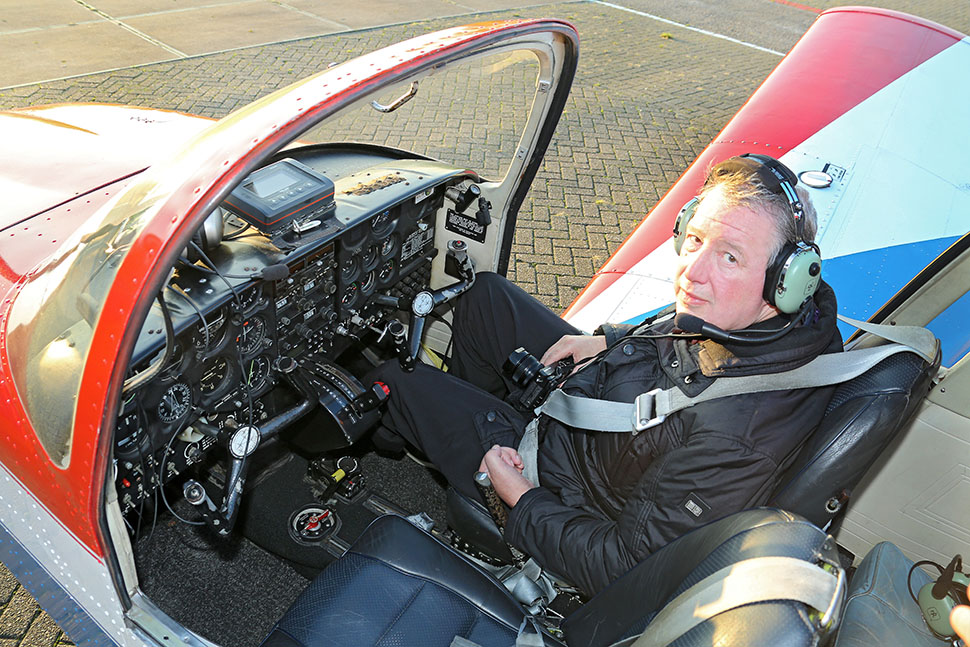
MV1A0269

Cees Tol in de cockpit vd PH-BZN. In 1987 net voor Cees bij BZN vertrok, besloten we samen vlieglessen te nemen, en deden we allebei onze 1ste vliegkeuring. Van samen lessen is het niet echt gekomen. Het was een aparte ervaring om nu, 27 jaar later, naast Cees, die onlangs helaas een beroerte kreeg, in de PH-BZN door het luchtruim te sjezen


Stilte voor de storm

We hebben de laatste jaren geleerd om enkele dagen voor een lange reis al overal klaar mee te zijn en als het ware helemaal al af te kicken van het dagelijkse ritme en normale drukte om ons heen, en ook om alvast afscheid van iedereen te nemen. Op die manier kan je in alle rust je koffers pakken; ga je relaxed weg en vergeet je geen belangrijke spullen, fotoapparatuur, kleding of documenten mee te nemen of voorbereidingen te treffen. Graag zou ik nog een drone in de koffer meenemen om boven de zandduinen van Namibie  mooie luchtopnames te maken, edoch, dat komt een volgende keer….

Over luchtfoto’s gesproken; we hebben op 4 december een ballonvlucht geboekt boven de Sossusvlei in Namibie, volgens gezaghebbende reisbladen een van de mooiste ballonvaarten ter wereld, in een zeer fotogeniek gebied in de Namib woestijn, daar verwacht ik spectaculaire lucht opnames van.

Maaaar… eerst nog even wat foto’s die ik de laatste week maakte


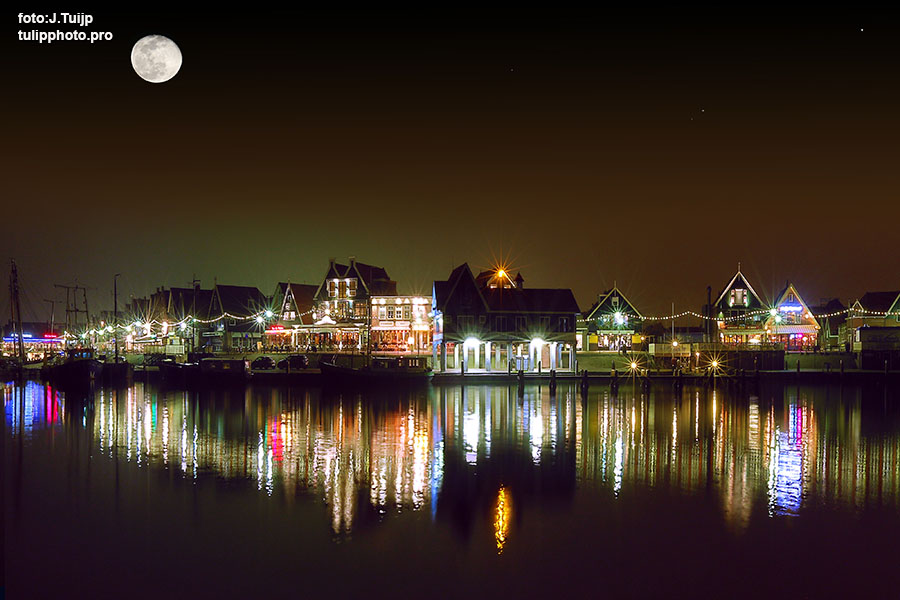
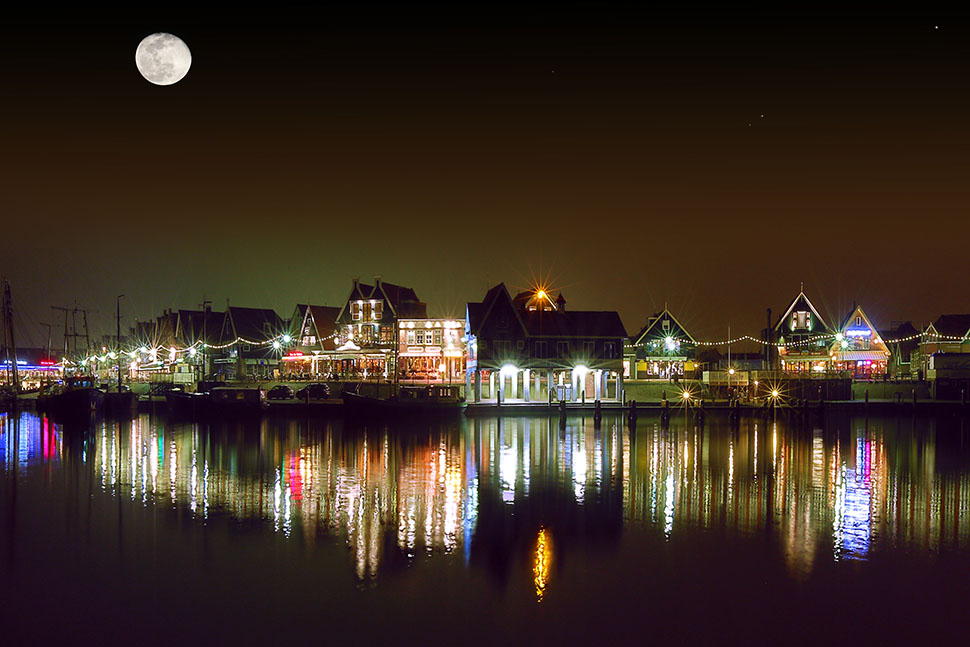
A moonlit night in Volendam
MV1A9723

Om een beetje te experimenteren met m’n nieuwe camera maakte ik deze tijdopname van de dijk in Volendam, the moon is fake !!

 Gouden “luchten” boven Waterland

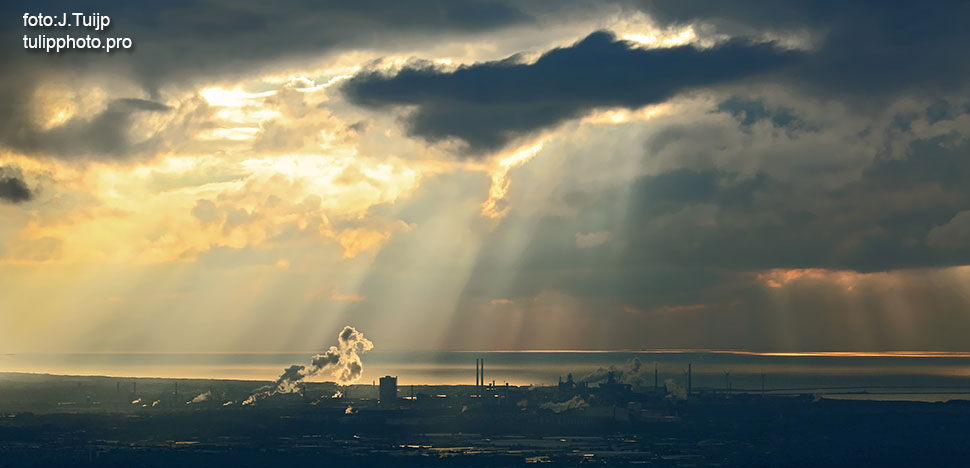
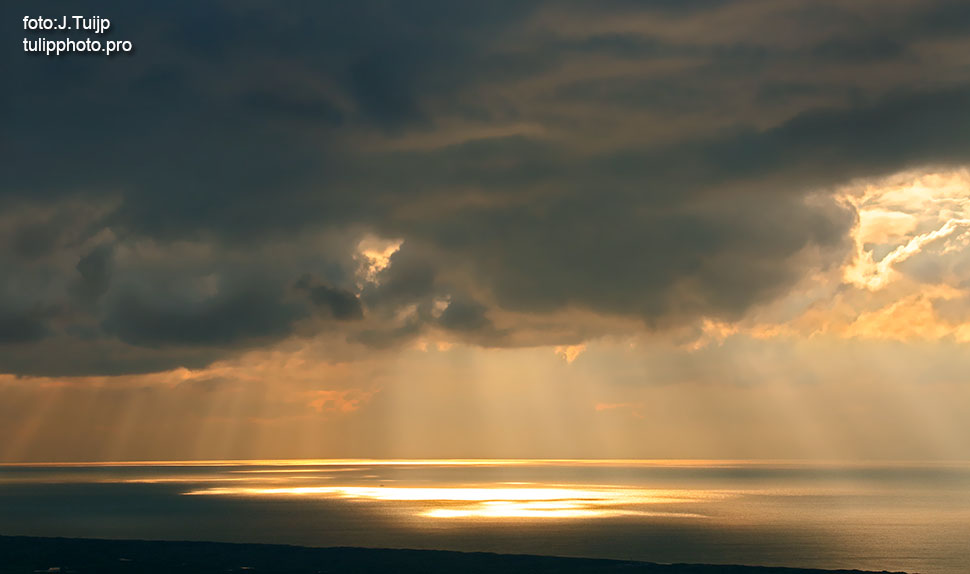
De afgelopen week vlogen we in de PH BZN met vrienden Jan Kiek en Gerard Springer boven Waterland toen we prettig verrast werden door het schilderachtige welhaast feeërieke lichtspel dat zich onder en tussen de wolken afspeelde.
MV1A0087

Boven de Noordzee noord van IJmuiden

MV1A0101

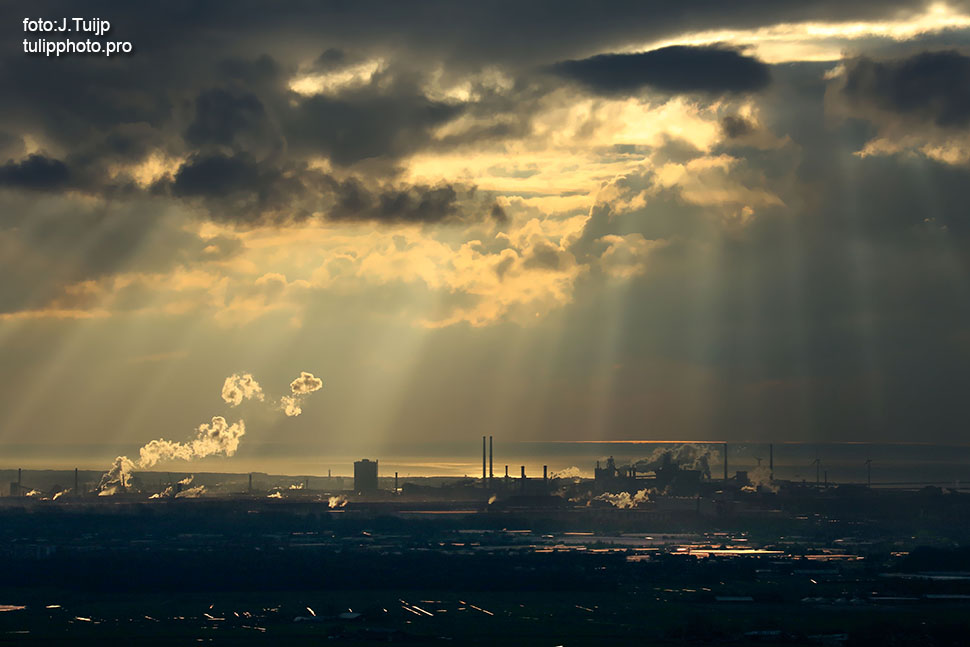
Hoogovens bij IJmuiden onder een orgie van goudgele lichtstralen
MV1A0112

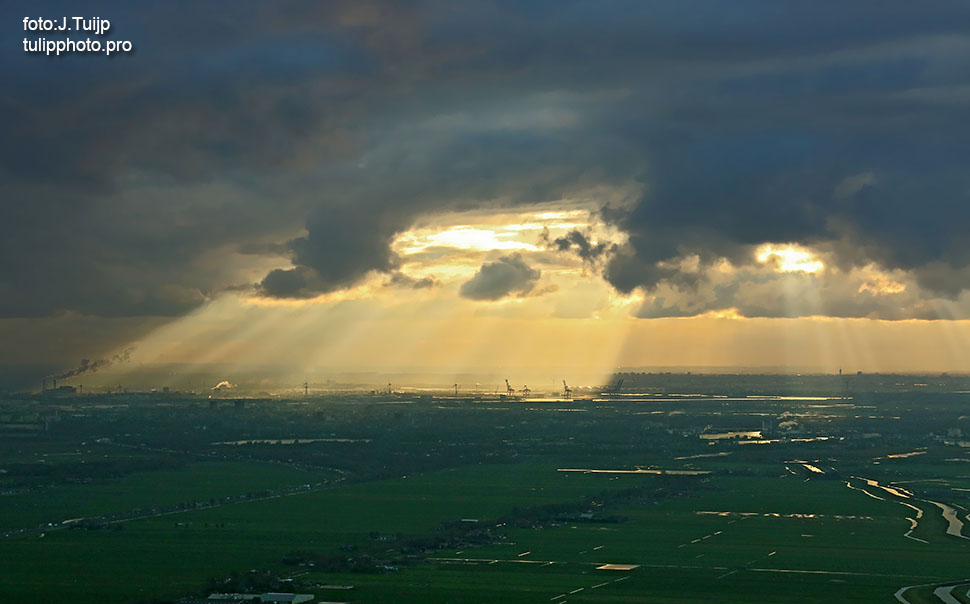
Door het felle tegenlicht wordt de rest van de foto vrij donker, maar dit geeft wel een sinistere sfeer aan het geheel
MV1A0142

Het westelijke havengebied van Amsterdam in de verte onder een gat in de wolken in een zee van licht
MV1A0158

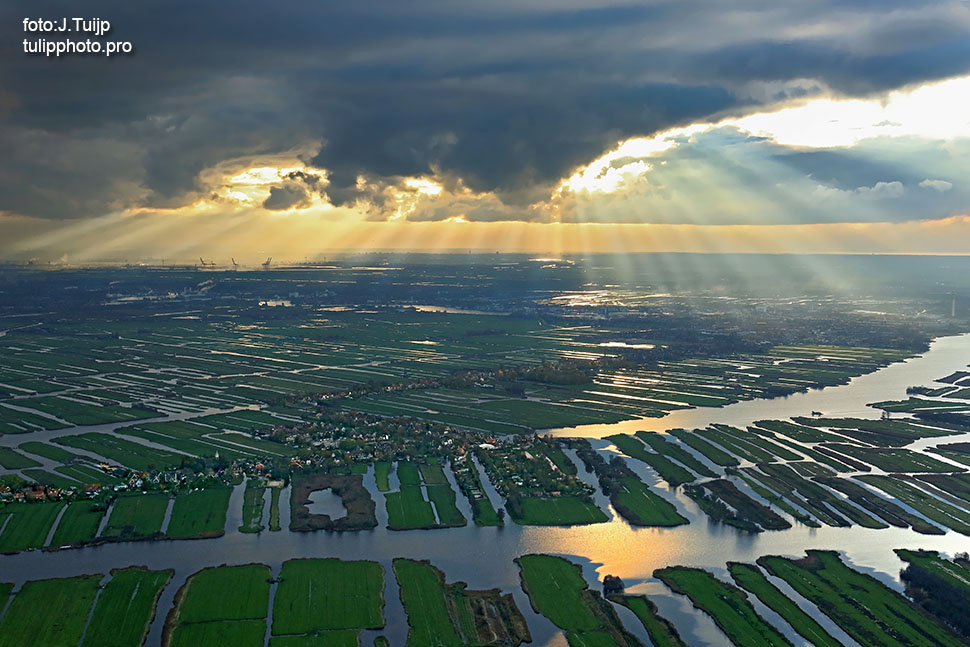
Toch wel mijn favoriete foto , met op de voorgrond het dorpje Jisp en op de achtergrond het westelijke havengebied van Amsterdam. En let eens op die mooie regelmatig verspreide lichtstralen, dat is mazzel hebben als fotograaf
MV1A0168

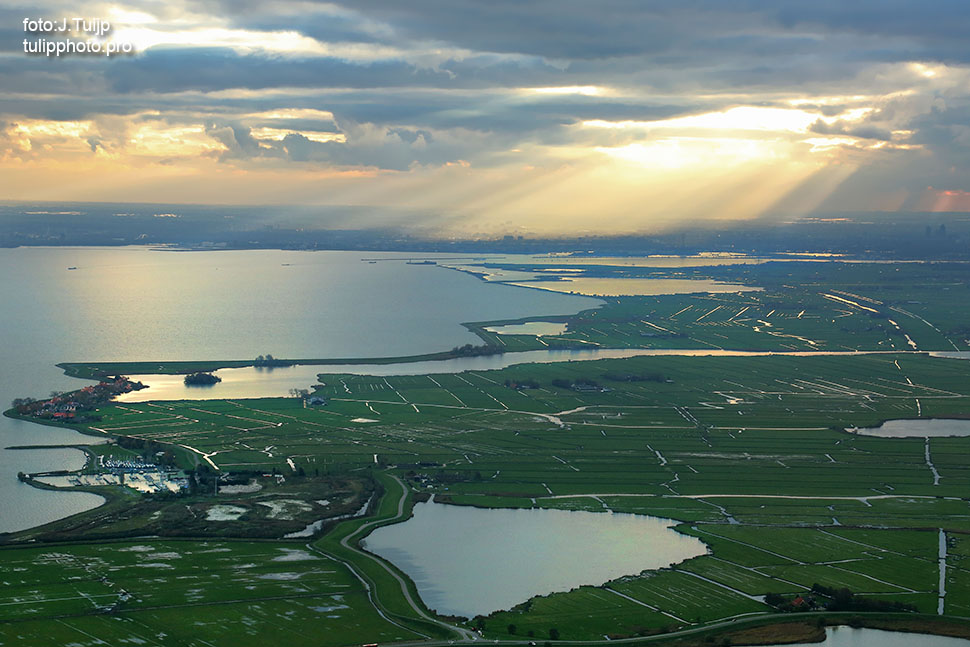
Op de voorgrond het mooie Uitdam aan het IJsselmeer, terwijl Amsterdam op de achtergrond in het gele licht blakert

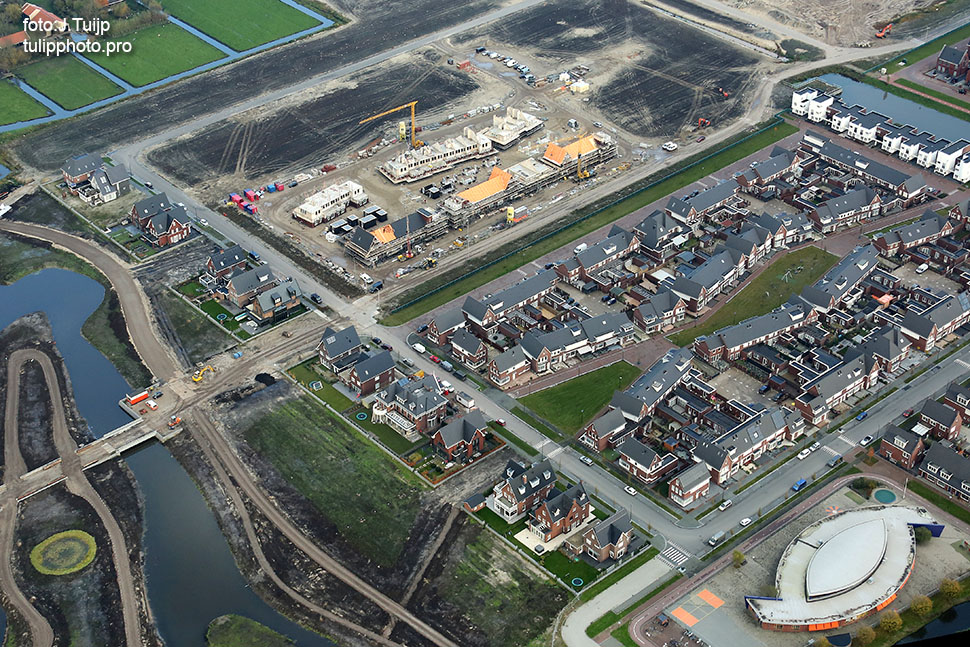
De Volendamse nieuwbouwwijk Broeckgouw
MV1A0018

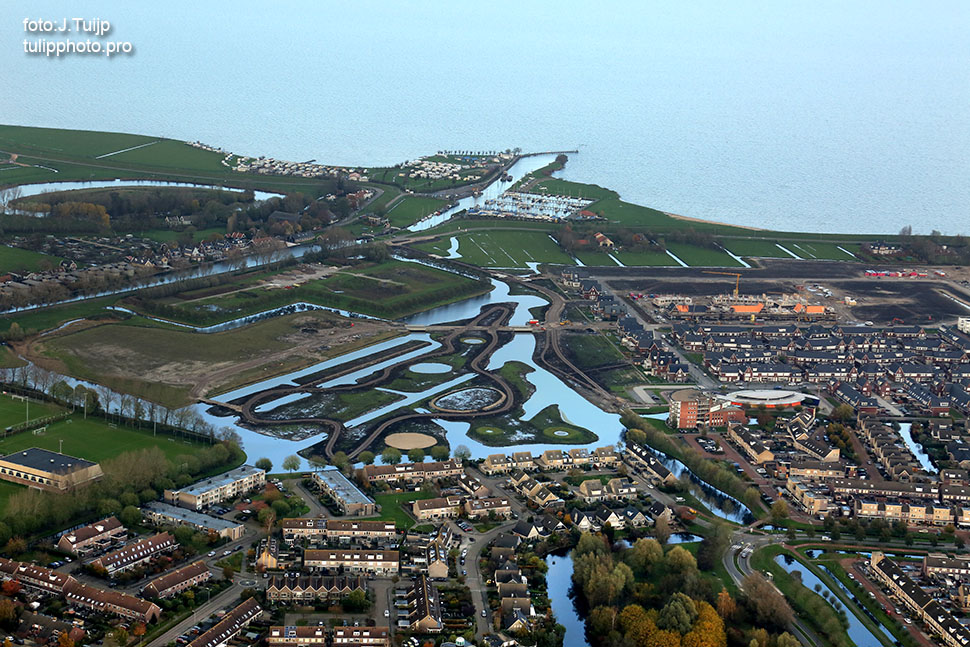
Het scheidingsgebied tussen Edam en Volendam met in het midden het nieuwe recreatiepark en rechts de Broeckgouw
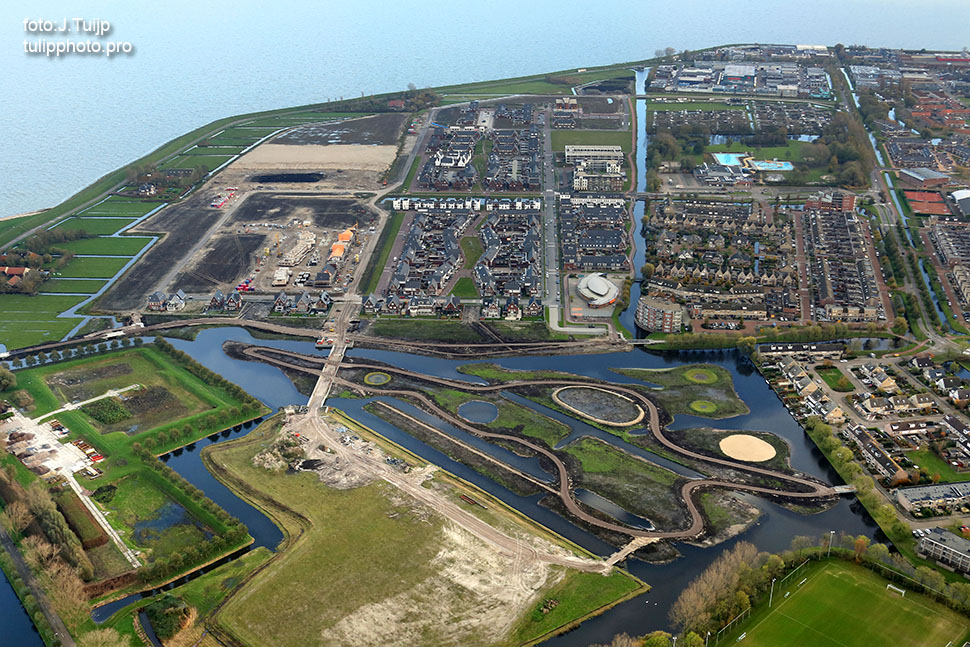
MV1A0027

Het recreatiepark op de voorgrond begint z’n uiteindelijke vorm te krijgen
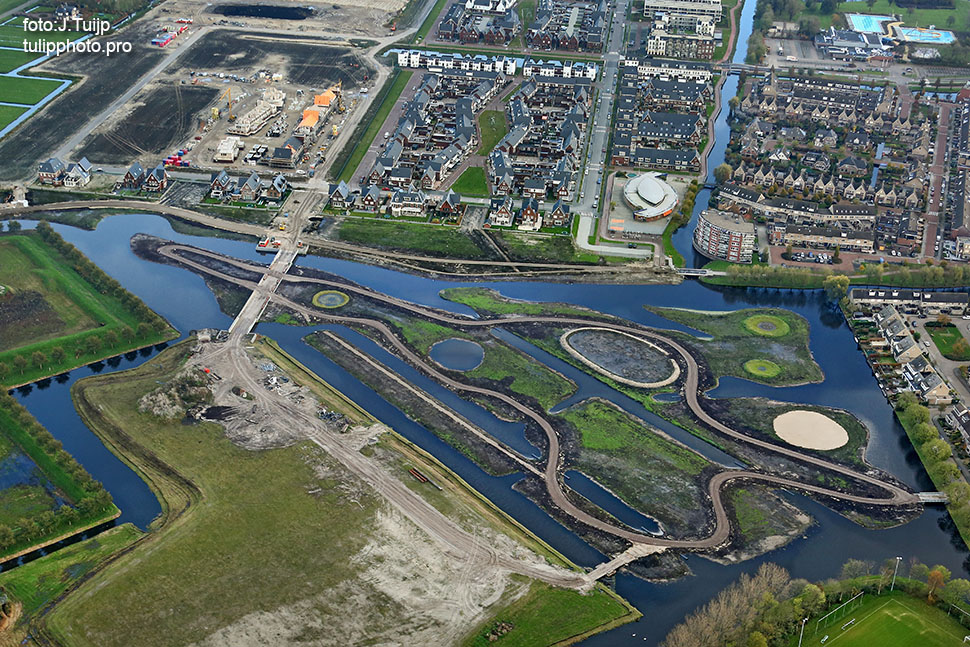
MV1A0028

Het parkje in close up

MV1A0033

Bouwvorderingen in de Volendamse nieuwbouw project Broeckgouw
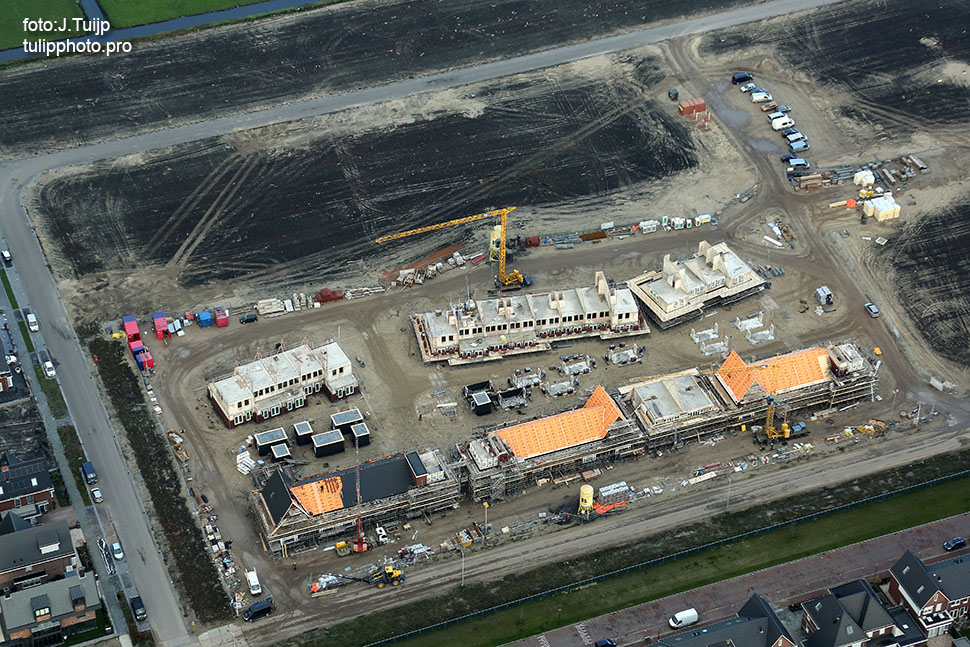


MV1A0036

Speciaal voor de bewoners een close up van de laatste “groeistuipen” van de Broeckgouw

Jachthaven en Strandbad Camping Edam
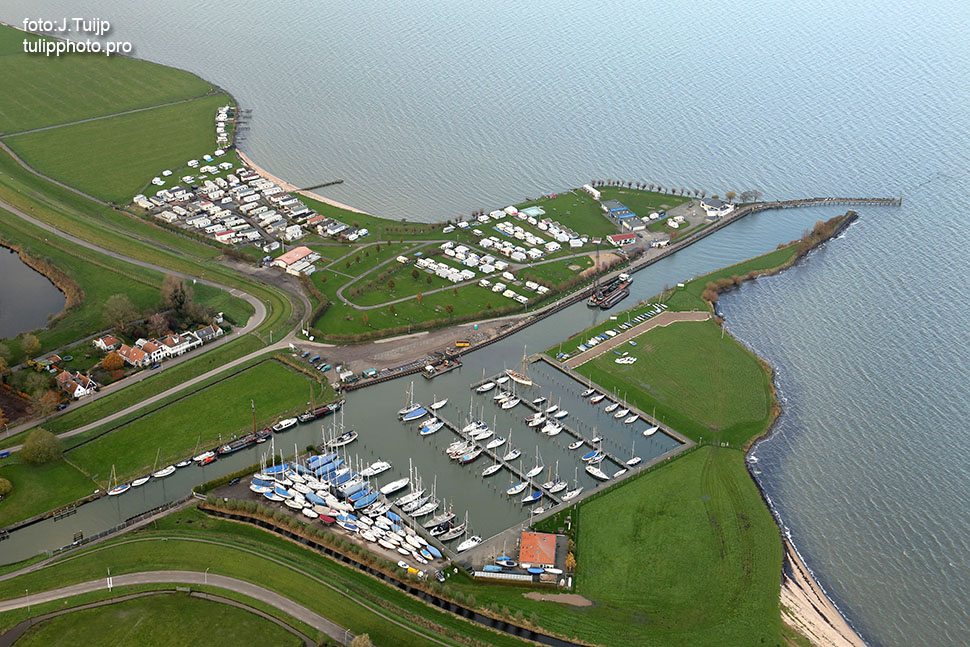
MV1A0039

De Jachthaven en de camping in Edam

MV1A0043

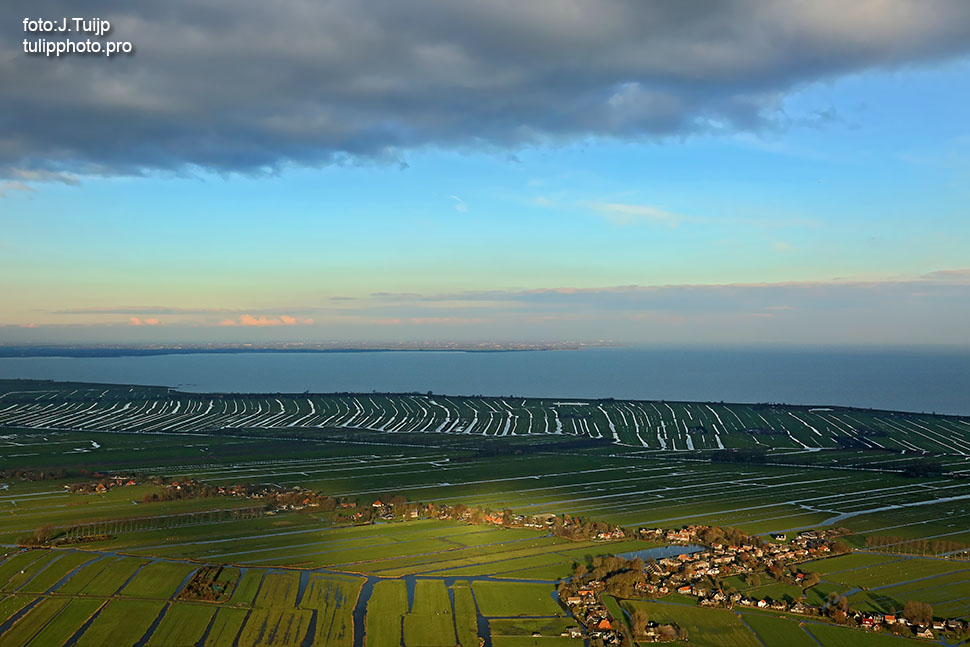
Middelie op de voorgrond en daarachter de dijk tussen Edam en Hoorn. Het lijkt door optisch bedrog net of het water uit het IJsselmeer over de dijk het land in stroomt
MV1A0074

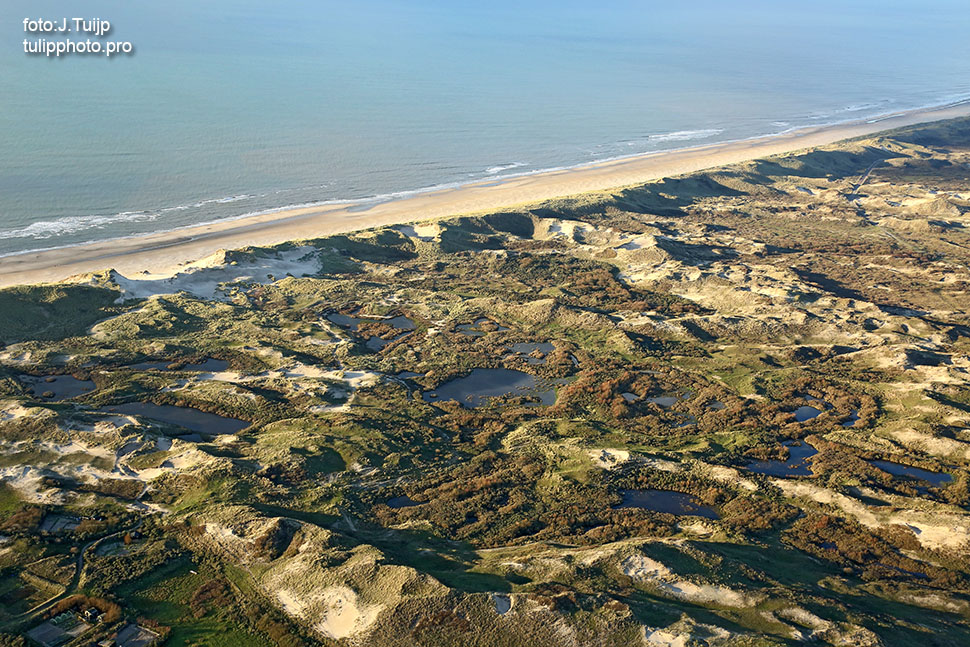
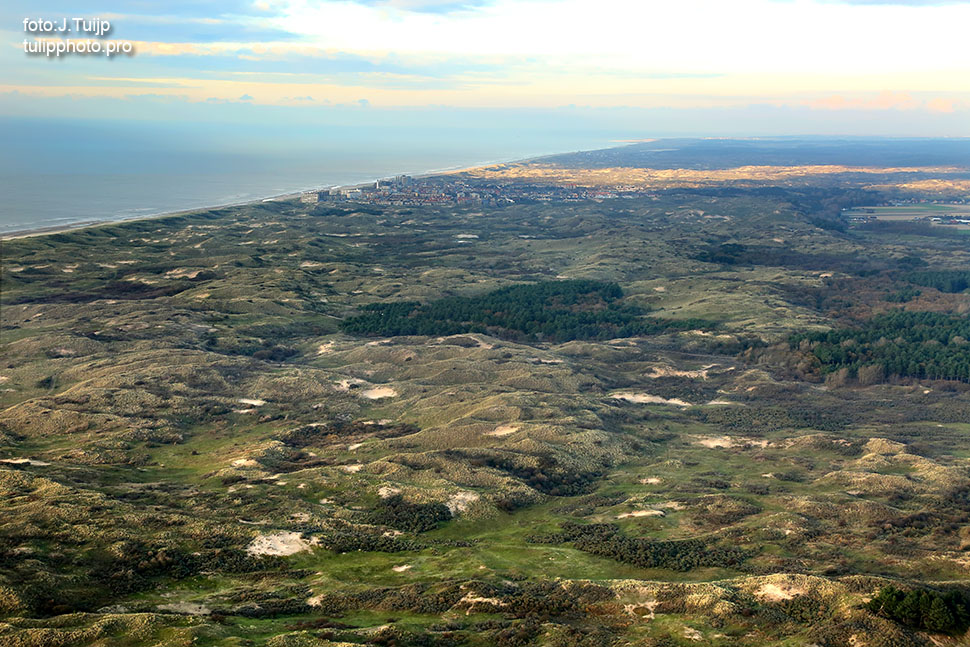
De duinen bij Egmond aan Zee

MV1A0077

Het Noord-Hollandse strand met de duinen inclusief waterreservoirs bij Egmond aan Zee

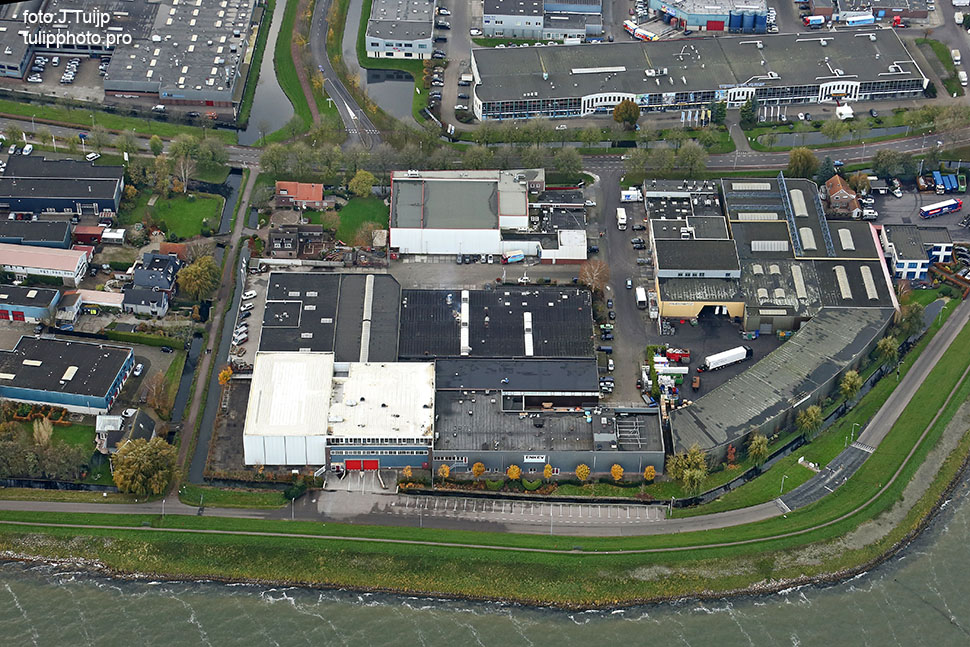
Deel van het Volendamse Industrieterrein zuid van de Julianaweg
MV1A9977

Het stukje dijk tussen Edam en Volendam waar wij vaak over de dijk wandelen
MV1A9988

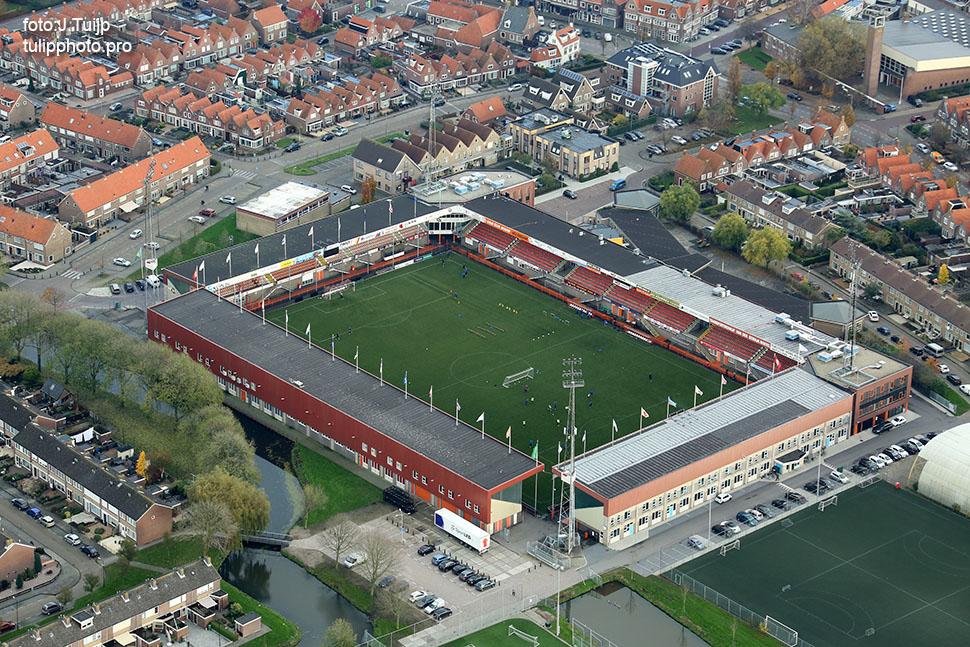
Zo lag het stadion van de FC Volendam er deze week bij
MV1A9991

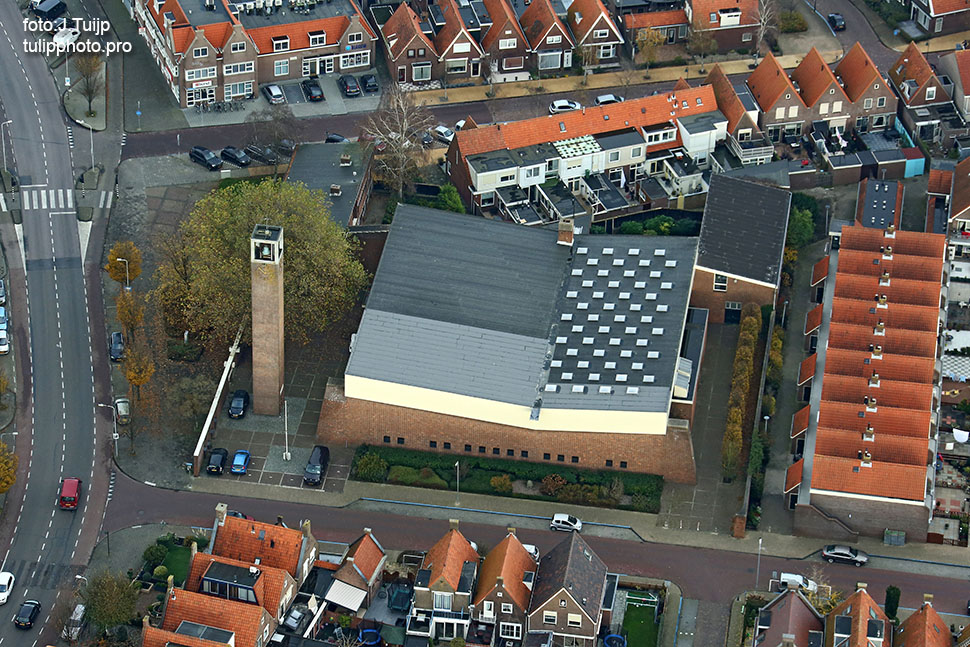
De Mariakerk in Volendam

Schermafbeelding 2014-11-20 om 12.24.20

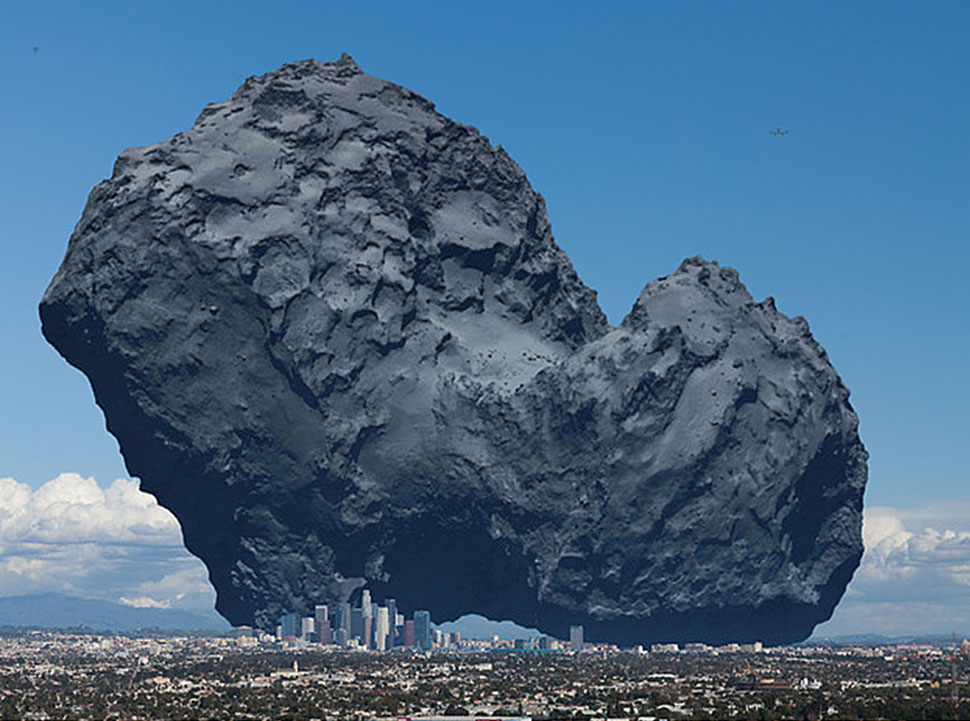
Een artist impression van de komeet 67P  -waarop Philea geland is- als deze boven op Los Angeles een zachte landing zou maken


Tijdopnames Volendamse dijk – Vertrek naar Afrika dichtbij – Phileau op komeet

Vorige week experimenteerde ik met mijn nieuwe camera met wat tijd opnames op de Volendamse dijk. Het resultaat is hieronder te zien

MV1A9707

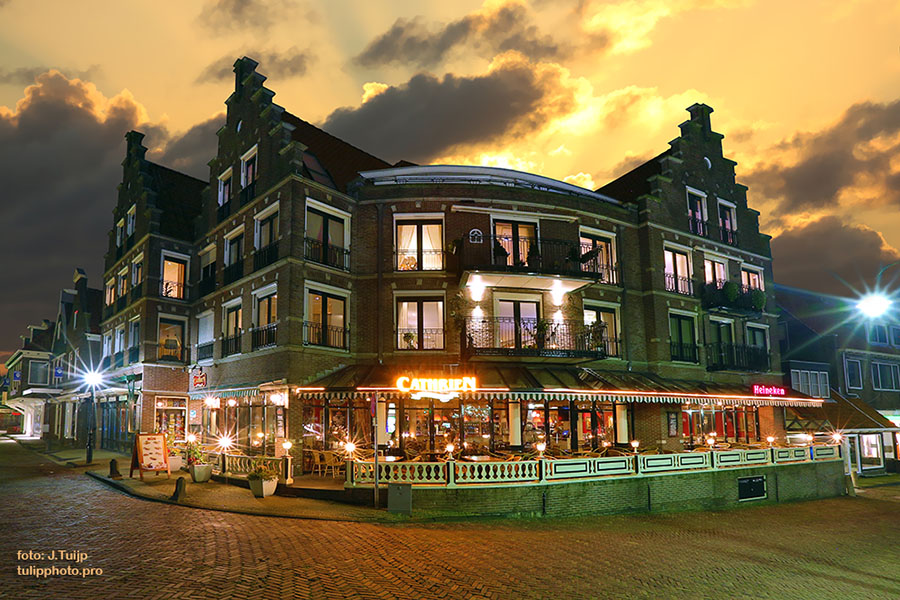
Brasserie Cathrien op de Volendamse dijk in een gecombineerde HDR – tijdopname

Dijk 1100 px

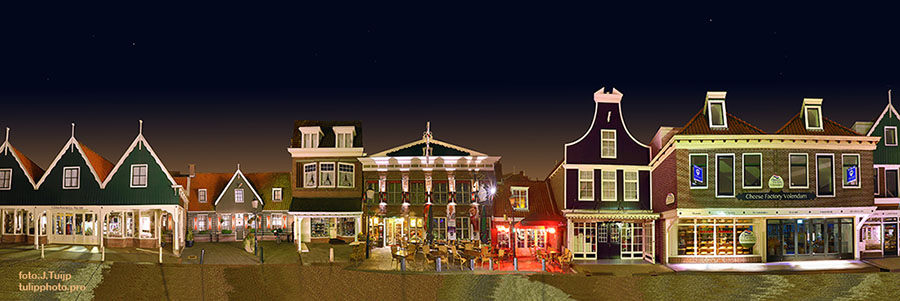
In het midden Hotel Spaander op de Volendamse dijk. Voor deze foto heb ik 15 opnames die ik 5 meter naast elkaar maakte aan elkaar geshopt, een zeer langdurige photoshop klus, de verhoudingen zijn helemaal werkelijkheidsgetrouw. Het resultaat is in zoverre bijzonder, dat niemand dit tafereel ooit zo aan elkaar heeft kunnen zien, de foto kan ook niet gemaakt worden met een wijdhoek omdat de tegenoverliggende panden te dichtbij staan


                                                                                                                                                                                Onze Afrika reis komt nu heel dichtbij

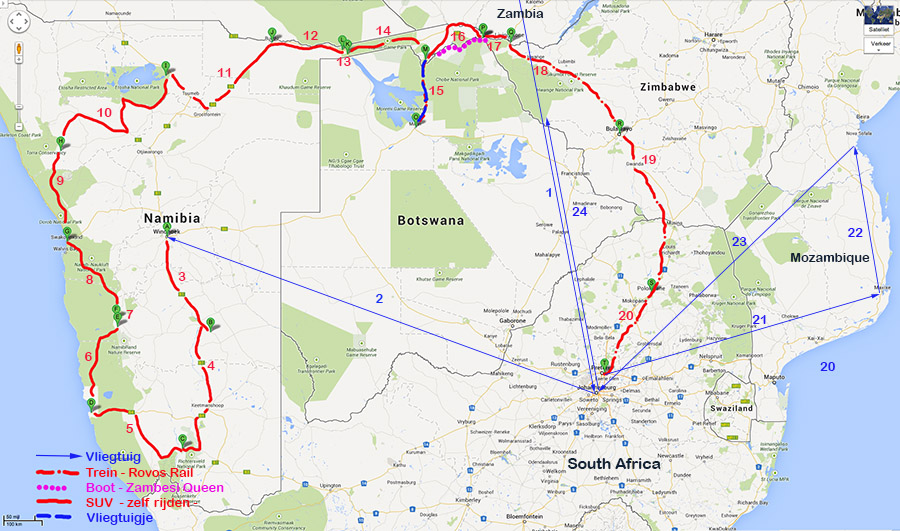
Over een week vertrekken we voor een bijna 2 maanden lange reis naar Afrika; de route gaat door Namibie, Botswana, Zambia, Zimbabwe, Zuidafrika en Mozambique. We zijn de laatste dagen eigenlijk continue bezig met de voorbereidingen. Niet alleen met de reis zelf maar er zijn natuurlijk allerlei zaken die geregeld moeten worden als je zo lang van huis gaat. Zo wordt ons huis weer ingericht voor de gasten die gedurende onze afwezigheid ons huis zullen bewonen

Trip Afrika met nummers kopie

Op deze kaart is de route te zien die we zullen maken samen met vrienden Wim en Ria Welman uit Aerdenhout. De eerste 3 weken van de trip gaat per SUV door het zeer fotogenieke woestijnlandschap van Namibië. Onze reisvrienden rijden separaat van ons in een eigen SUV door Namibië, maar we zitten s’ avonds wel in dezelfde hotels. De reis omhelst ook nog een riviercruise in Botswana op de Zambeze river naar Zambia en een bijzondere treinreis met Rovo Rail dwars door Zimbabwe naar Pretoria en een vliegreis naar Mozambique

Landing van Philae komeetlander schokkende sensatie

De gehele dag zat ik afgelopen woensdag te kijken naar de live TV uitzending van ESA naar de landing van de komeetlander Philae vanaf de satelliet Rosetta na 10 jaar onderweg te zijn geweest. Kippenvel en ontroering, wat zijn we bevoorrecht dat we dit nog mee kunnen maken….. Onvoorstelbaar dat mensen dit voor elkaar hebben gekregen, en dat  op een afstand van 500 miljoen kilometer. En dan wat er nu nog allemaal gebeurt en geregeld wordt vanaf dit kleine aardbolletje in die verre, verre, donkere, koude en wijde ruimte. Een onvoorstelbaar hoogstandje van menselijk vernuft…


Schermafbeelding 2014-11-12 om 17.55.30

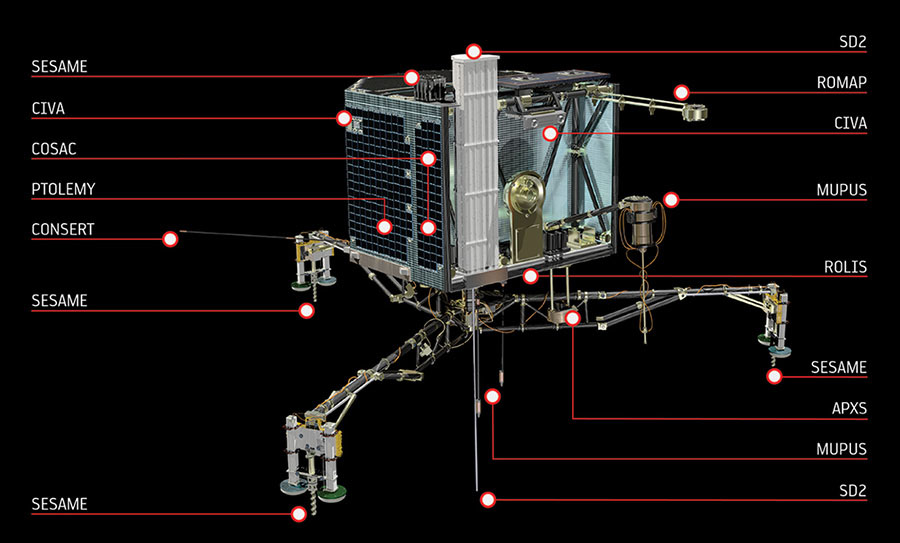
Title Philae’s instruments (black background)  Copyright ESA/ATG medialab Description Rosetta will deploy the Philae lander to the surface of comet 67P/Churyumov-Gerasimenko for in situ analysis with its 10 instruments: APXS: Alpha Proton X-ray Spectrometer (studying the chemical composition of the landing site and its potential alteration during the comet’s approach to the Sun) CIVA: Comet Nucleus Infrared and Visible Analyser (six cameras to take panoramic pictures of the comet surface) CONSERT: COmet Nucleus Sounding Experiment by Radiowave Transmission (studying the internal structure of the comet nucleus with Rosetta orbiter) COSAC: The COmetary SAmpling and Composition experiment (detecting and identifying complex organic molecules) PTOLEMY: Using MODULUS protocol (Methods Of Determining and Understanding Light elements from Unequivocal Stable isotope compositions) to understand the geochemistry of light elements, such as hydrogen, carbon, nitrogen and oxygen. MUPUS: MUlti-PUrpose Sensors for Surface and Sub-Surface Science (studying the properties of the comet surface and immediate sub-surface) ROLIS: Rosetta Lander Imaging System (providing the first close-up images of the landing site) ROMAP: Rosetta Lander Magnetometer and Plasma Monitor (studying the magnetic field and plasma environment of the comet) SD2: Sampling, drilling and distribution subsystem (drilling up to 23 cm depth and delivering material to onboard instruments for analysis) SESAME: Surface Electric Sounding and Acoustic Monitoring Experiment (probing the mechanical and electrical parameters of the comet)

Schermafbeelding 2014-11-12 om 16.03.05

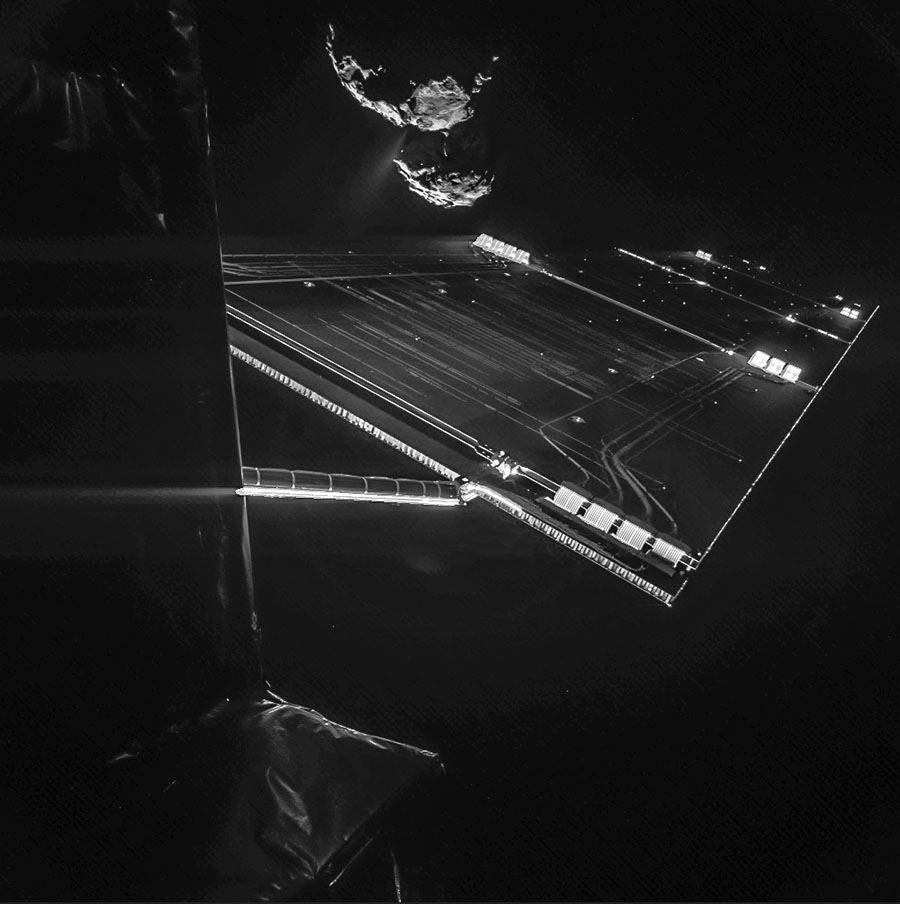
Using the CIVA camera on Rosetta’s Philae lander, the spacecraft have snapped a ‘selfie’ at comet 67P/Churyumov–Gerasimenko from a distance of about 16 km from the surface of the comet. The image was taken on 7 October and captures the side of the Rosetta spacecraft and one of Rosetta’s 14 m-long solar wings, with the comet in the background. Two images with different exposure times were combined to bring out the faint details in this very high contrast situation. The comet’s active ‘neck’ region is clearly visible, with streams of dust and gas extending away from the surface.

Schermafbeelding 2014-11-12 om 16.01.36

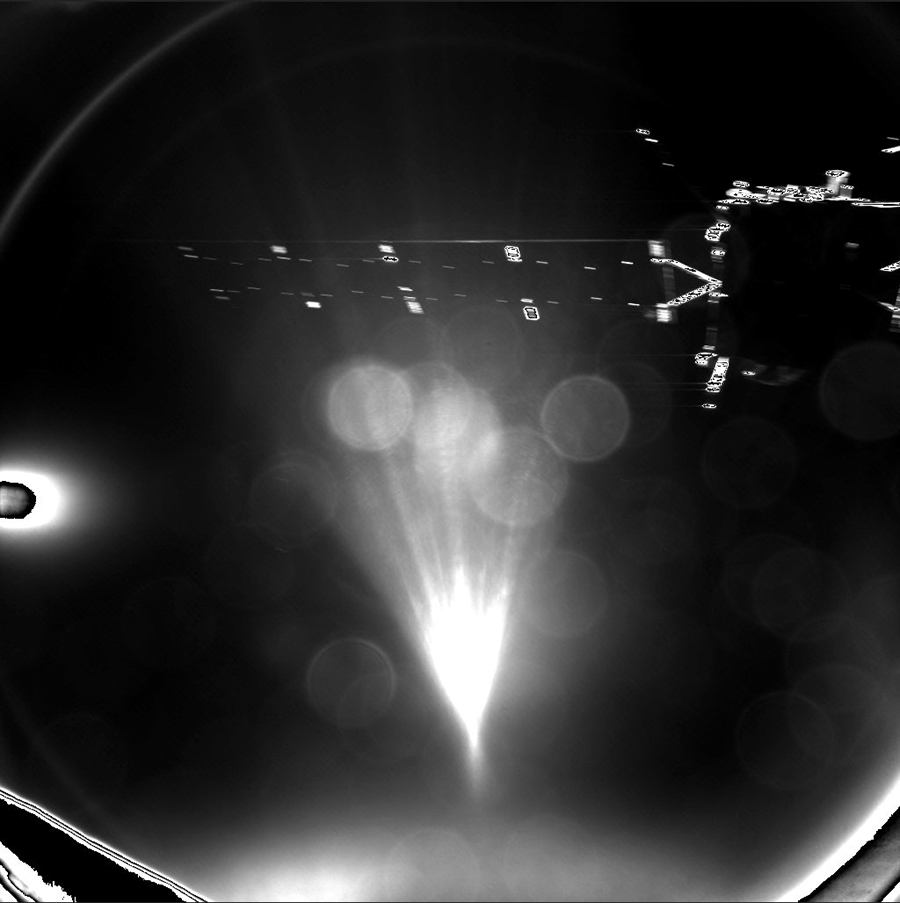
Title Farewell Rosetta Released 12/11/2014 2:50 pm Copyright ESA/Rosetta/Philae/CIVA Description Rosetta’s lander Philae took this parting shot of its mothership shortly after separation. The image was taken with the lander’s CIVA-P imaging system and captures one of Rosetta’s 14 metre-long solar arrays. It was stored onboard the lander until the radio link was established with Rosetta around two hours after separation, and then relayed to Earth. The lander separated from the orbiter at 09:03 GMT/10:03 CET and is expected to touch down on Comet 67P/Churyumov–Gerasimenko seven hours later. Confirmation of a successful touchdown is expected in a one-hour window centred on 16:02 GMT / 17:02 CET. Rosetta and Philae had been riding through space together for more than 10 years. While Philae is set to become the first probe to land on a comet, Rosetta is already the first to rendezvous with a comet and follow it around the Sun. The information collected by Philae at one location on the surface will complement that collected by the Rosetta orbiter for the entire comet.

Schermafbeelding 2014-11-12 om 15.42.36

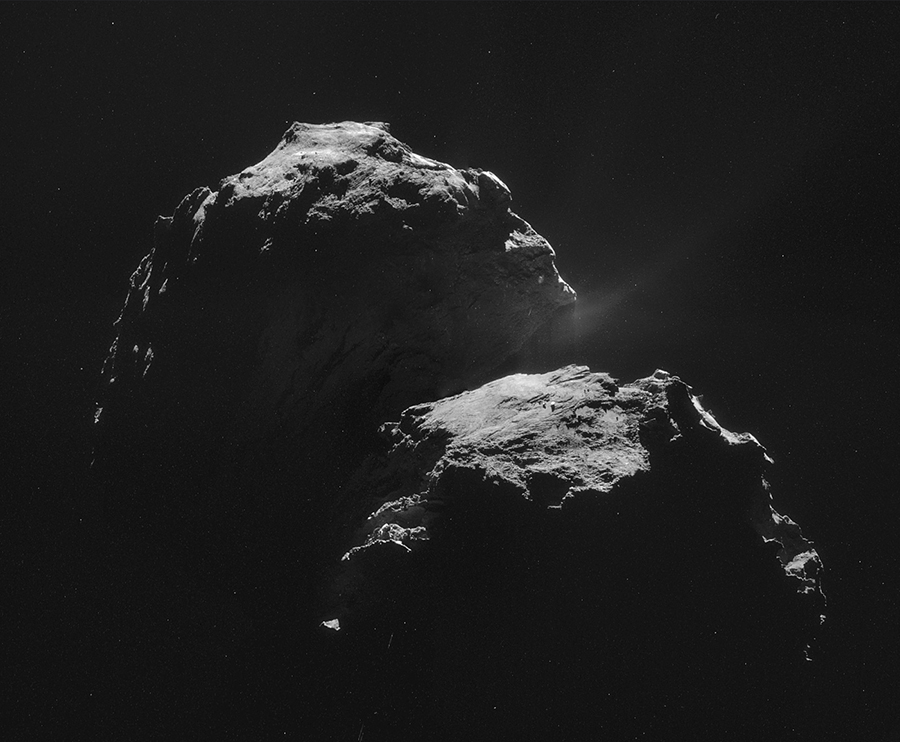
Deze foto van de komeet werd genomen door Rosetta op een afstand van 40 km . De komeet is bijna 5 x 4 km groot

Schermafbeelding 2014-11-12 om 15.30.28

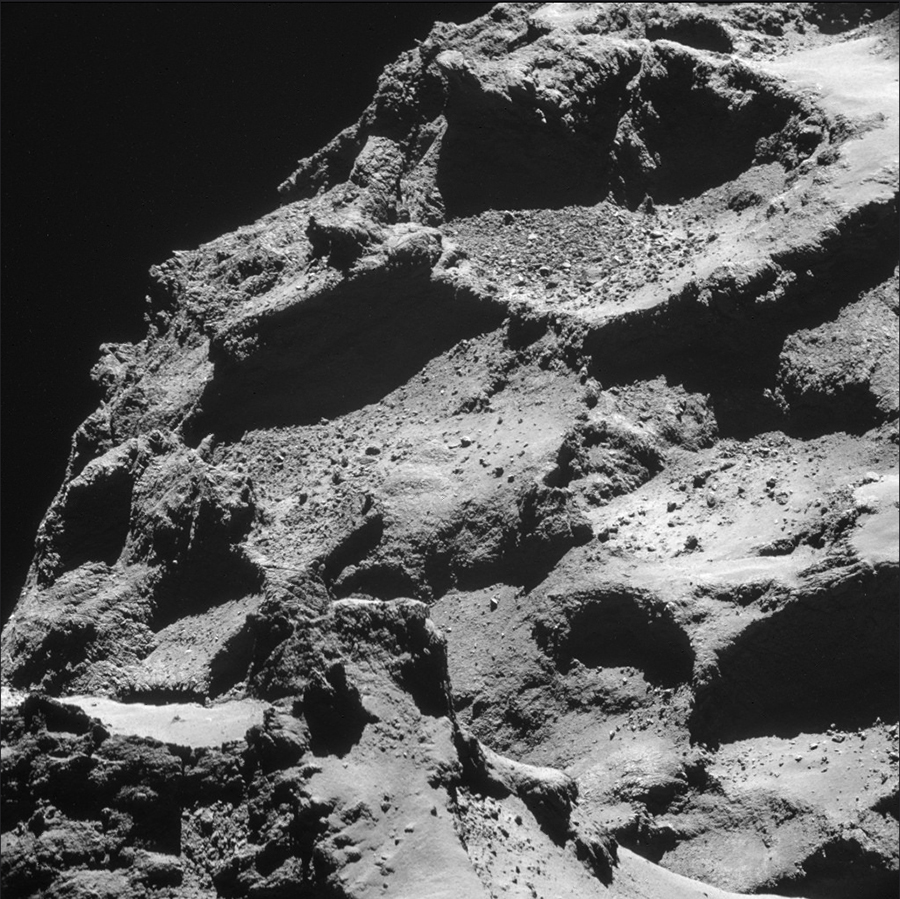
Een foto gemaakt door een van de camera’s van Rosetta op een afstand van 10 km van de komeet

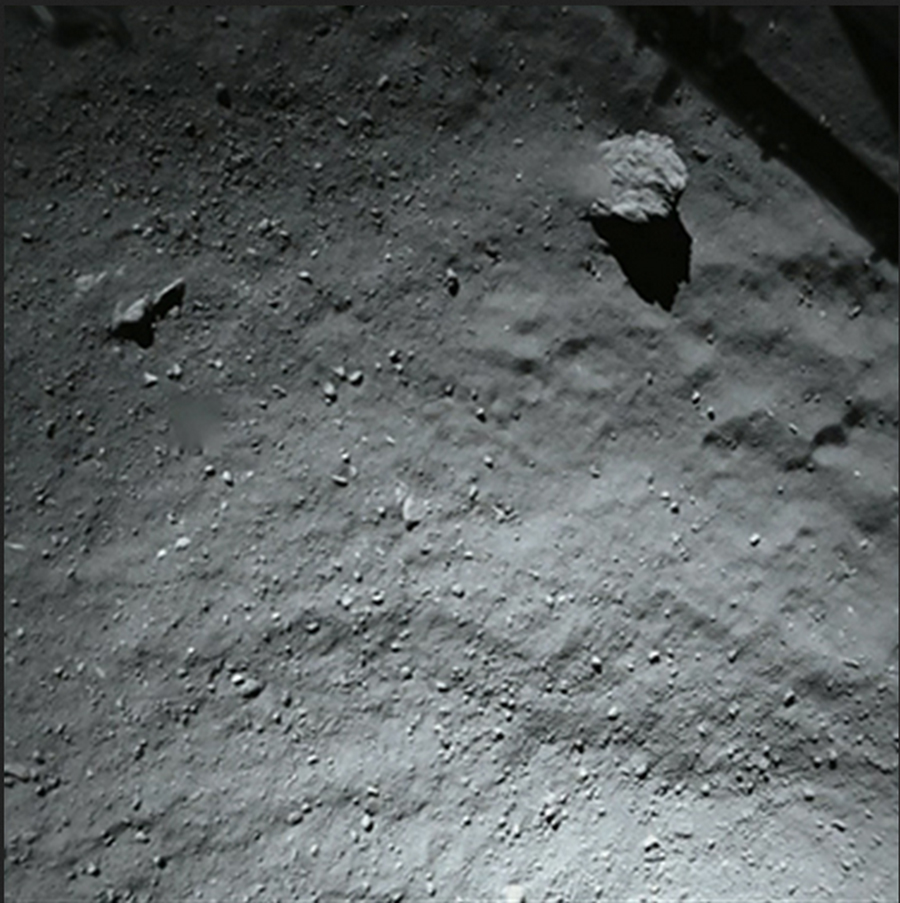
Schermafbeelding 2014-11-15 om 21.10.27

This image was taken by Philae’s down-looking descent ROLIS imager when it was about 40 m above the surface of Comet 67P/Churyumov-Gerasimenko. It shows that the surface of the comet is covered by dust and debris ranging from mm to metre sizes. The large block in the top right corner is 5 m in size. In the same corner the structure of the Philae landing gear is visible. The aim of the ROLIS experiment is to study the texture and microstructure of the comet’s surface. ROLIS (ROsetta Lander Imaging System) has been developed by the DLR Institute of Planetary Research, Berlin.

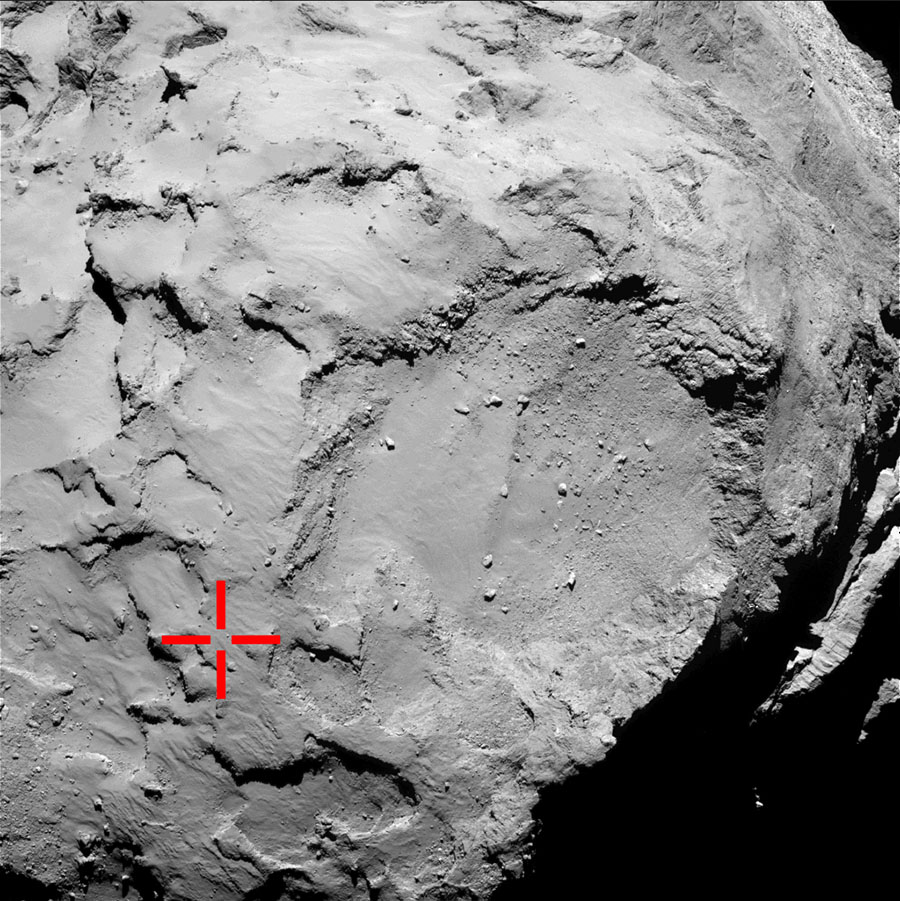
Schermafbeelding 2014-11-15 om 21.00.09

This image from Rosetta’s OSIRIS narrow-angle camera is marked to show the location of the first touchdown point of the Philae lander. It is thought that Philae bounced twice before settling on the surface of Comet 67P/Churyumov-Gerasimenko. The OSIRIS image was taken from a distance of 50 km on 2 September 2014, prior to landing.


 15 November 2014Rosetta’s lander has completed its primary science mission after nearly 57 hours on Comet 67P/Churyumov–Gerasimenko.After being out of communication visibility with the lander since 09:58 GMT / 10:58 CET on Friday, Rosetta regained contact with Philae at 22:19 GMT /23:19 CET last night. The signal was initially intermittent, but quickly stabilised and remained very good until 00:36 GMT / 01:36 CET this morning.In that time, the lander returned all of its housekeeping data, as well as science data from the targeted instruments, including ROLIS, COSAC, Ptolemy, SD2 and CONSERT. This completed the measurements planned for the final block of experiments on the surface.
 
 
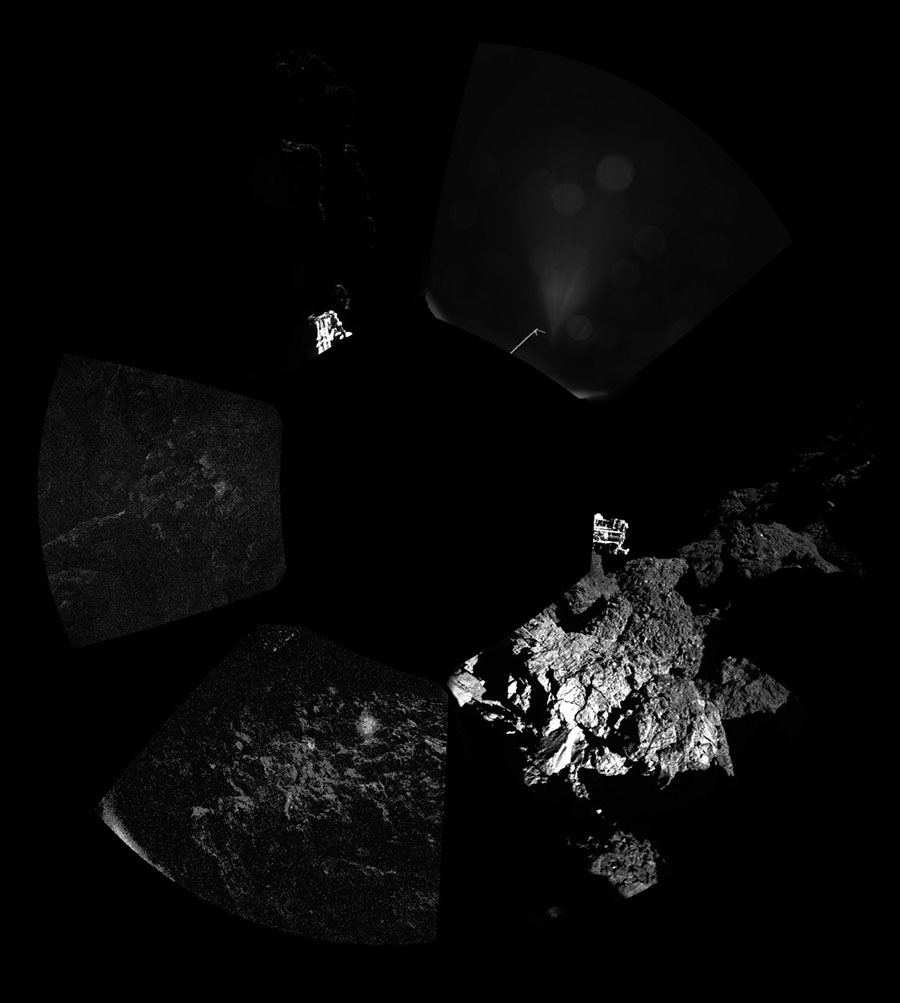
Schermafbeelding 2014-11-15 om 21.09.04

First comet panoramic

In addition, the lander’s body was lifted by about 4 cm and rotated about 35° in an attempt to receive more solar energy. But as the last science data fed back to Earth, Philae’s power rapidly depleted.

“It has been a huge success, the whole team is delighted,” said Stephan Ulamec, lander manager at the DLR German Aerospace Agency, who monitored Philae’s progress from ESA’s Space Operations Centre in Darmstadt, Germany, this week.

“Despite the unplanned series of three touchdowns, all of our instruments could be operated and now it’s time to see what we’ve got.”

Against the odds – with no downwards thruster and with the automated harpoon system not having worked – Philae bounced twice after its first touchdown on the comet, coming to rest in the shadow of a cliff on Wednesday 12 November at 17:32 GMT (comet time – it takes over 28 minutes for the signal to reach Earth, via Rosetta).

Philae’s instruments

The search for Philae’s final landing site continues, with high-resolution images from the orbiter being closely scrutinised. Meanwhile, the lander has returned unprecedented images of its surroundings.

While descent images show that the surface of the comet is covered by dust and debris ranging from millimetre to metre sizes, panoramic images show layered walls of harder-looking material.  The science teams are now studying their data to see if they have sampled any of this material with Philae’s drill

“We still hope that at a later stage of the mission, perhaps when we are nearer to the Sun, that we might have enough solar illumination to wake up the lander and re-establish communication, ” added Stephan.

From now on, no contact will be possible unless sufficient sunlight falls on the solar panels to generate enough power to wake it up. The possibility that this may happen later in the mission was boosted when mission controllers sent commands to rotate the lander’s main body with its fixed solar panels. This should have exposed more panel area to sunlight.

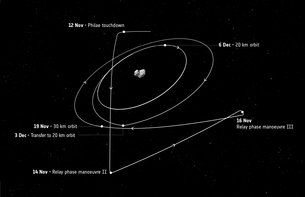
Rosetta’s trajectory after 12 November

The next possible communication slot begins on 15 November at about 10:00 GMT / 11:00 CET. The orbiter will listen for a signal, and will continue doing so each time its orbit brings it into line-of-sight visibility with Philae. However, given the low recharge current coming from the solar panels at this time, it is unlikely that contact will be re-established with the lander in the near future.

Meanwhile, the Rosetta orbiter has been moving back into a 30 km orbit around the comet.

It will return to a 20 km orbit on 6 December and continue its mission to study the body in great detail as the comet becomes more active, en route to its closest encounter with the Sun on 13 August next year.

Over the coming months, Rosetta will start to fly in more distant ‘unbound’ orbits, while performing a series of daring flybys past the comet, some within just 8 km of its centre.

Data collected by the orbiter will allow scientists to watch the short- and long-term changes that take place on the comet, helping to answer some of the biggest and most important questions regarding the history of our Solar System. How did it form and evolve?  How do comets work? What role did comets play in the evolution of the planets, of water on the Earth, and perhaps even of life on our home world.

“The data collected by Philae and Rosetta is set to make this mission a game-changer in cometary science,” says Matt Taylor, ESA’s Rosetta project scientist.

Fred Jansen, ESA’s Rosetta mission manager, says, “At the end of this amazing rollercoaster week, we look back on a successful first-ever soft-landing on a comet. This was a truly historic moment for ESA and its partners. We now look forward to many more months of exciting Rosetta science and possibly a return of Philae from hibernation at some point in time.”